Image
Strategies
Enhance Efficiency: Improve energy and water efficiency through sustainable building design and retrofit.
Renewable Energy Expansion: Deploy onsite solar and battery storage.
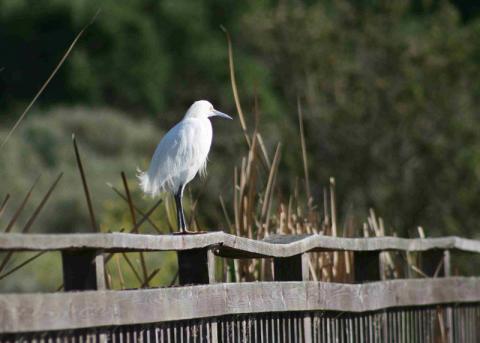
Ecosystem Protection: Continue to enhance airport programs that safeguard nearby natural ecosystems.
Conservation and Resiliency In Action:
Water Conservation
Image
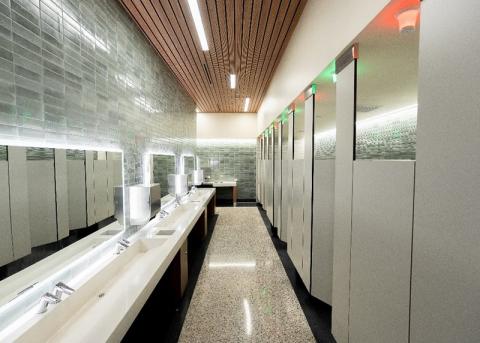
- Low-flow, touchless and automatic water fixtures in the terminal complex and administration building.
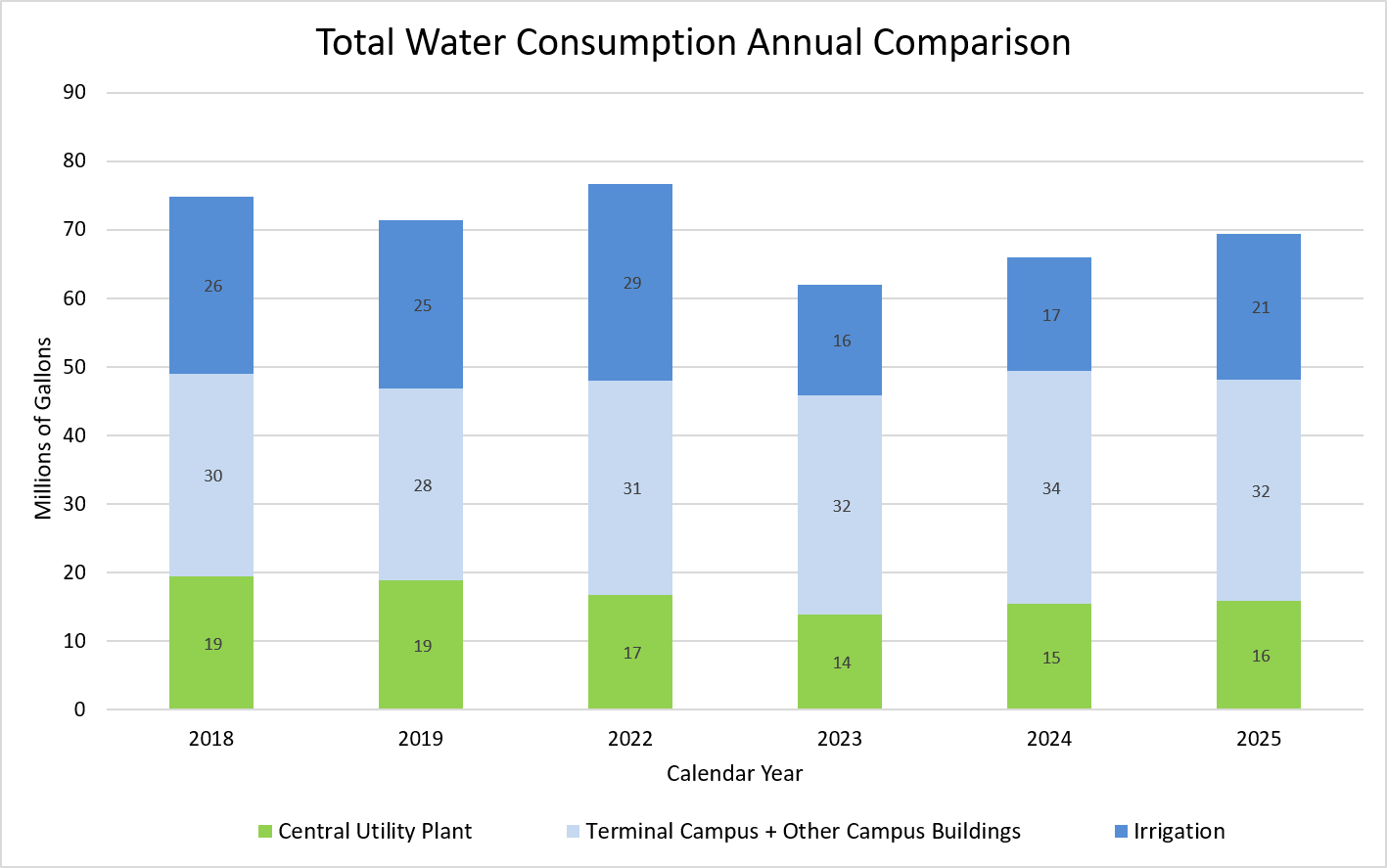
- Reduced irrigation.
- Relandscape plan to include xeriscaping and drought-resistant vegetation.
- Leak detection program.
- Follow CALGreen Tier 1 and Envision Gold to incorporate water conservation design for new projects and retrofits.
Energy Efficiency
Image
- Follow CALGreen Tier 1 and Envision Gold to incorporate energy efficient design for new projects and retrofits.
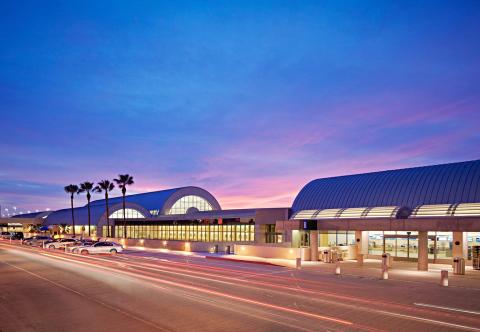
- Terminal Complex design includes natural light and cool roof, which reduces energy needs.
- Installation of variable frequency drives for baggage handling, motion sensors, parking structure fans and high-efficiency air handling units.
- Replacement of elevators and escalators with new state-of-the-art energy efficient systems.
- Use of LED lighting on the airfield and in the terminal complex to reduce energy and maintenance costs.
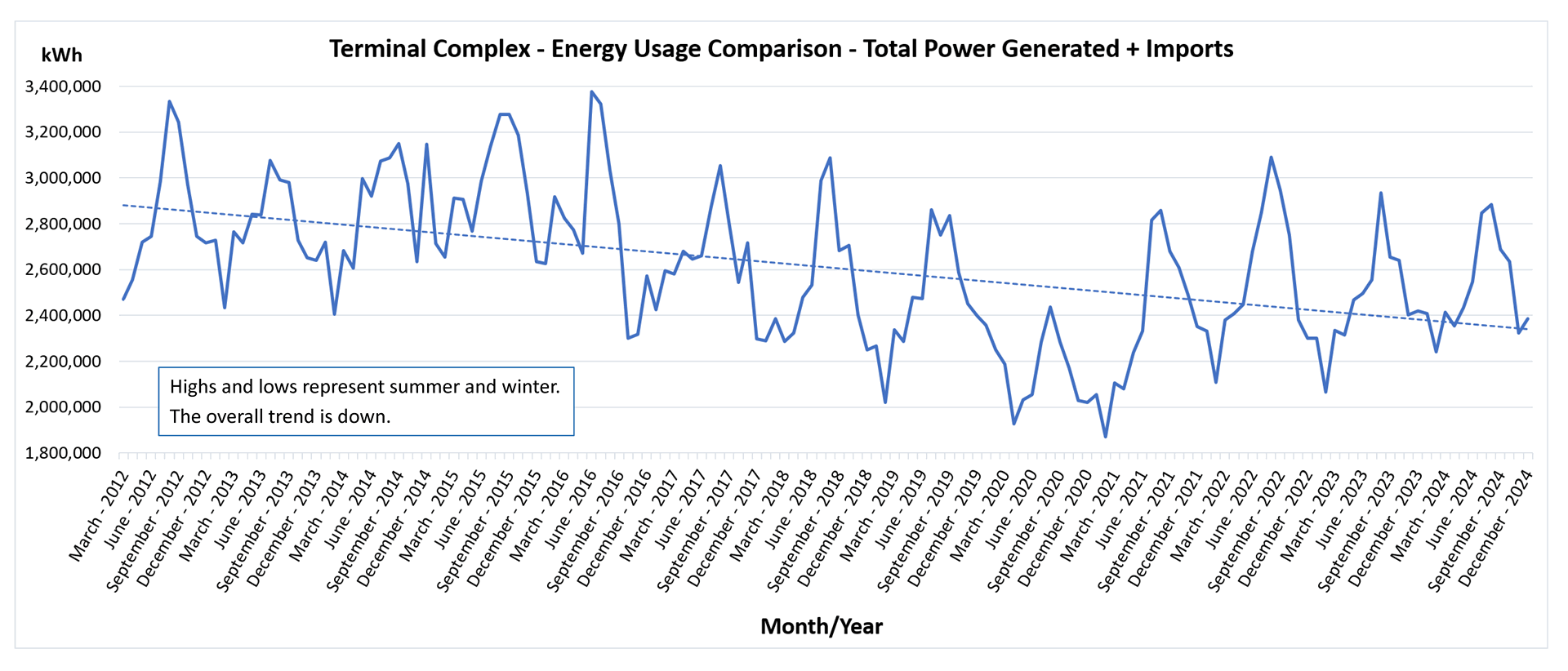
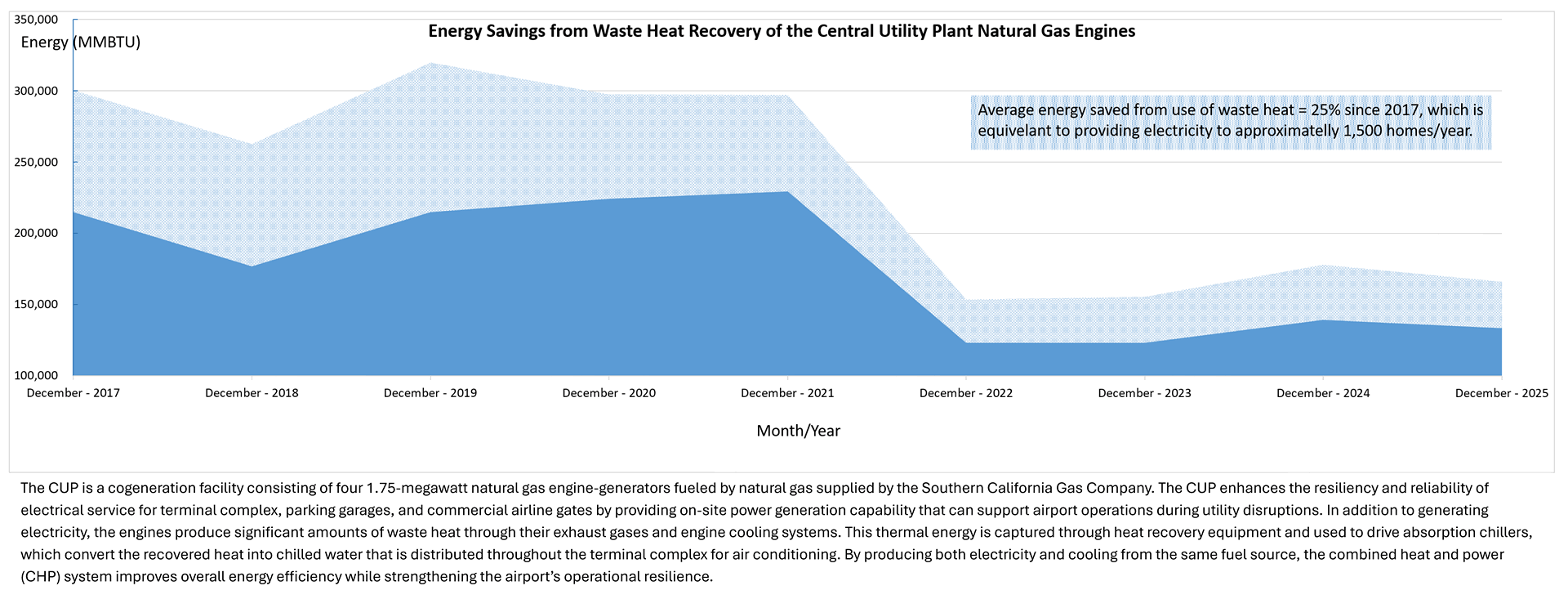
- Optimize operation of power generators and heat recovery equipment at the Central Utility Plant.
- Maximize power generation versus natural gas input operating CUP engines at the most efficient loads.
- Increase effective heat rate and recovery through maximizing use of adsorption chillers at the CUP.
Ecosystem Protection
Image
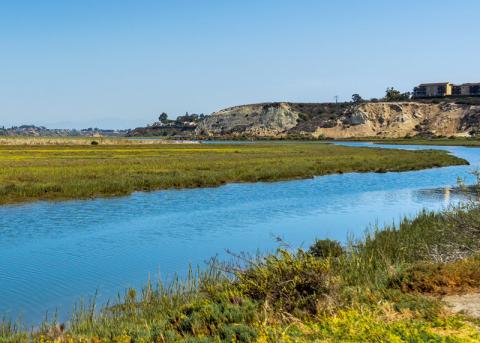
- Diversion of airside stormwater runoff through oil-water separators before leaving Airport property.
- Use of site-specific structural and non-structural best management practices to reduce potential for pollutants to contaminate stormwater discharges.
- Monitoring of pesticides and fertilizers for appropriate use.
- Transition from PFAS laden firefighting foam to non-PFAS firefighting foam.
- Pollution prevention inspection programs.
- Airfield and pavement sweeping and cleaning.
Impacts at a Glance
Image
Image
Image